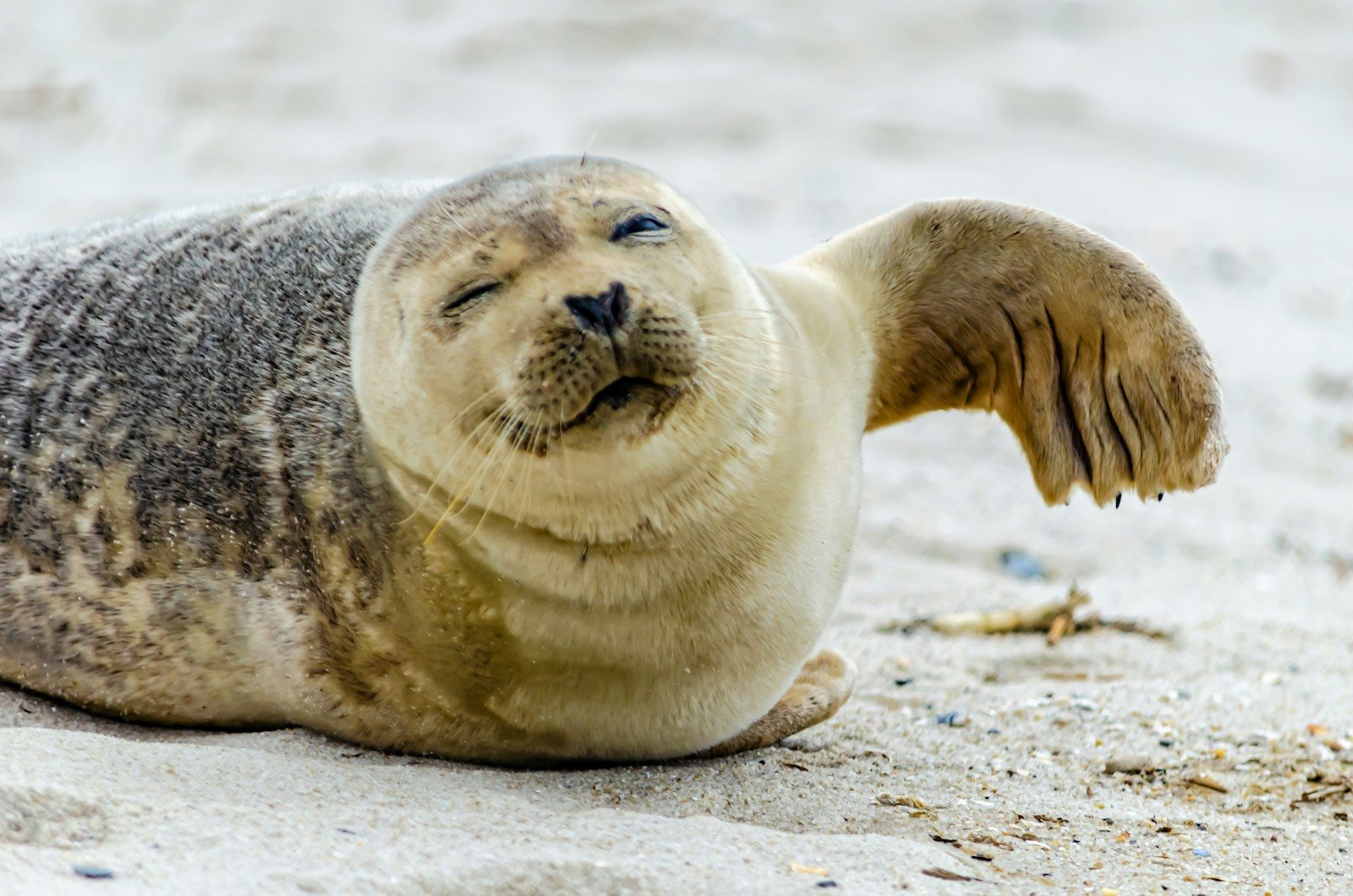
Working in Antarctica comes with many challenges, but few scientists expect to face danger from wildlife. The story of a leopard seal attack that claimed a researcher’s life before her colleagues remains one of the rarest and most tragic incidents ever recorded in the Antarctic. In 2003, British marine biologist Kirsty Brown was attacked while conducting underwater research, becoming the first known person to die following a leopard seal attack.
This article explains what happened during the incident, why the attack was considered so unusual, what scientists later learned about leopard seal behavior, and how the tragedy changed safety practices for researchers working in Antarctic waters.
The attack happened during research
On July 22, 2003, 28-year-old marine biologist Kirsty Brown was snorkeling near Rothera Research Station on the Antarctic Peninsula. She was studying marine life close to shore while working for the British Antarctic Survey.
Without warning, a leopard seal grabbed Brown and pulled her underwater. Her snorkeling partner and a shore team witnessed the attack and immediately called for help.
Colleagues rushed to rescue her
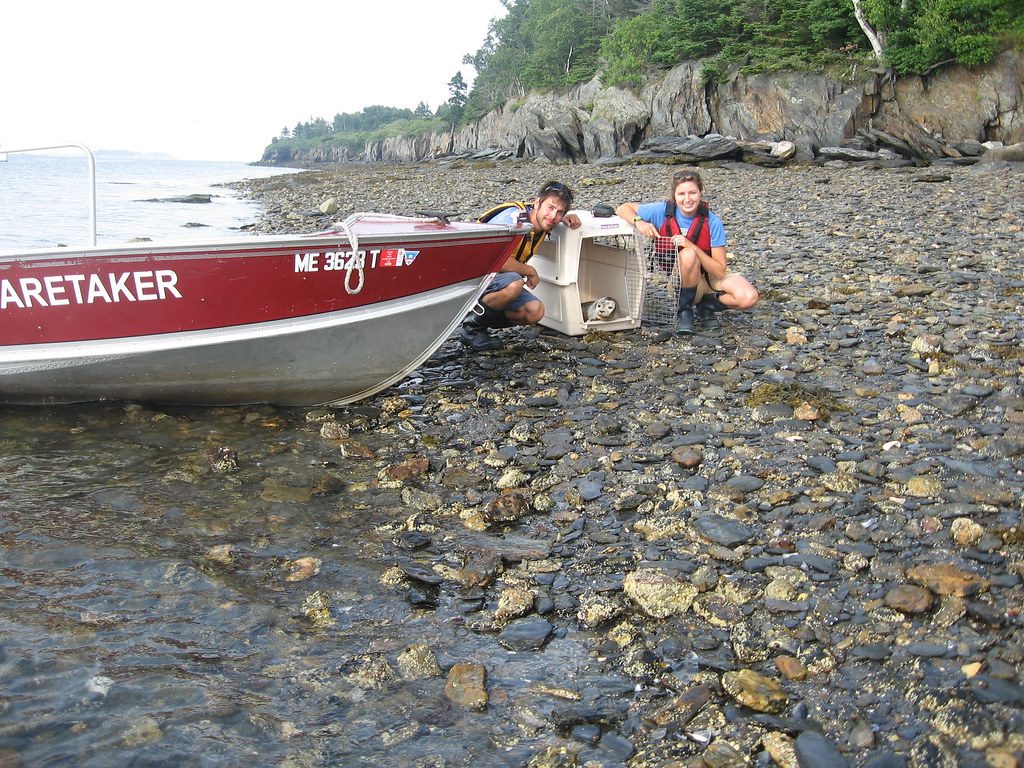
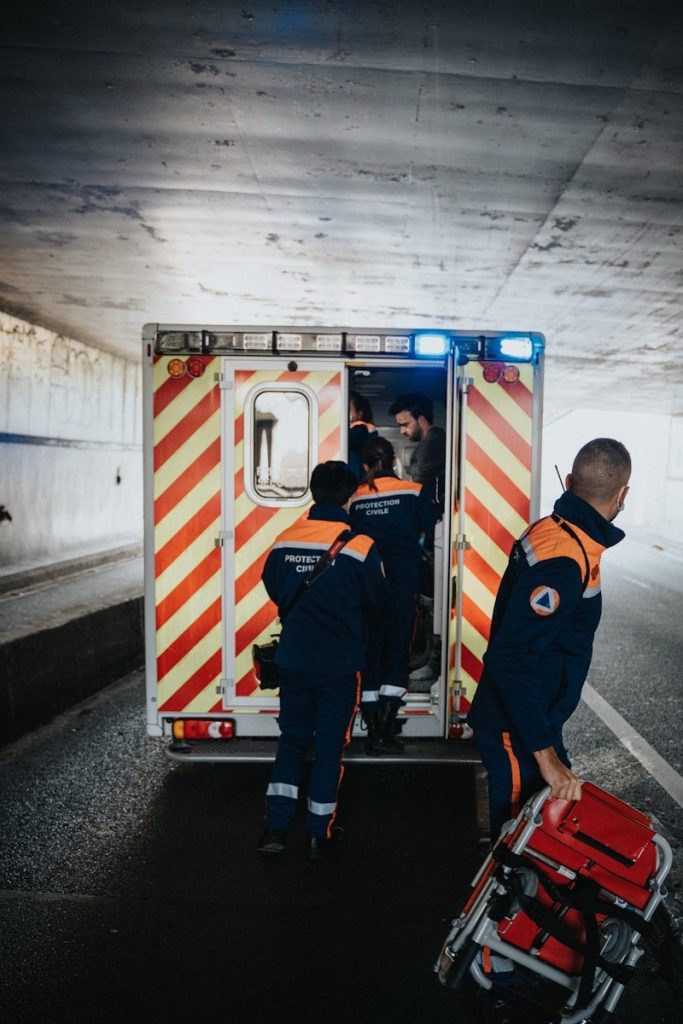
A rescue boat was launched within minutes after the attack. Brown’s colleagues managed to pull her from the water and quickly began emergency medical treatment while returning to the research station.
The station doctor and rescue team performed CPR for about an hour. Despite their efforts, Brown could not be revived, and she died from the incident.
The attack was highly unusual
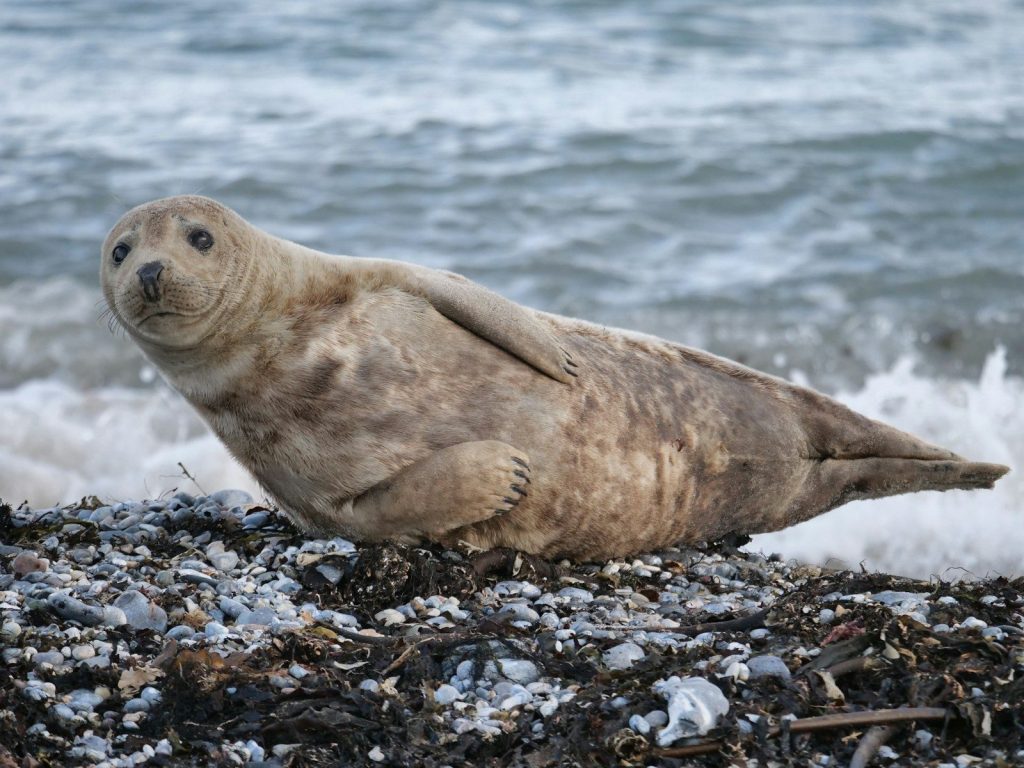
Leopard seals are Antarctica’s top seal predators and mainly hunt penguins, fish, squid, and smaller seals. Although they are powerful animals, attacks on humans are extremely rare.
At the time of Brown’s death, the British Antarctic Survey said it was the first known human fatality caused by a leopard seal. Researchers had worked in Antarctic waters for decades without experiencing a similar event.
Scientists studied leopard seal behavior
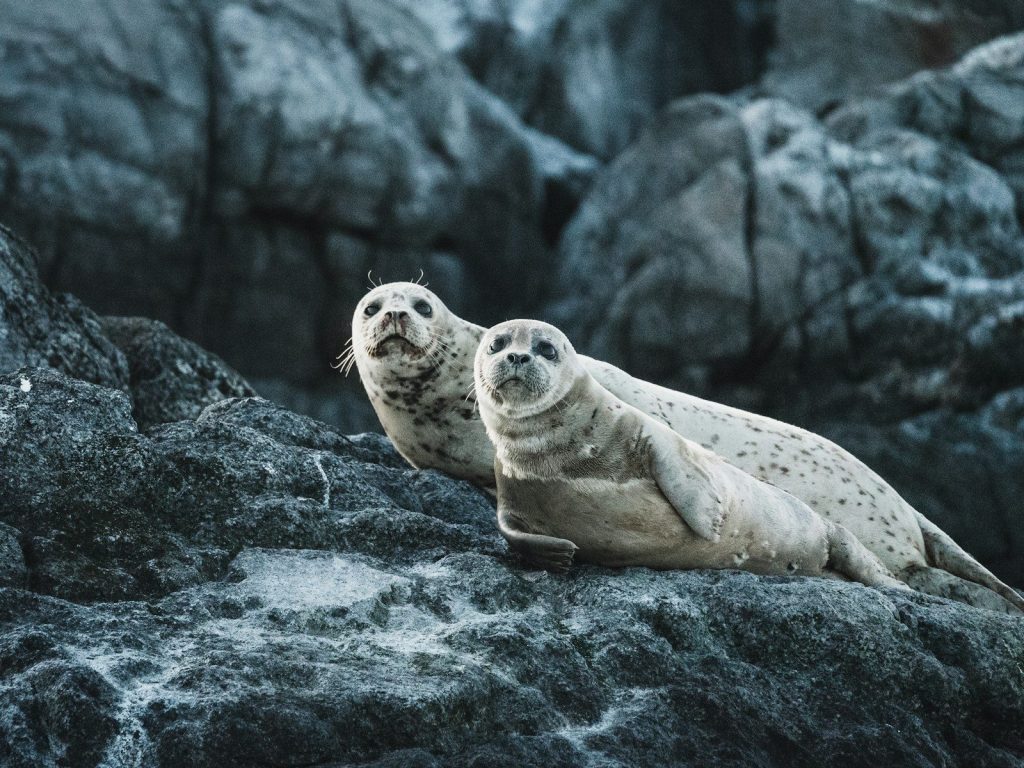
After the tragedy, researchers reviewed decades of records describing interactions between people and leopard seals. They examined reports from divers, snorkelers, scientists, and expedition members.
The study found that most leopard seal encounters involved curiosity rather than aggression. However, it also concluded that leopard seals can display predatory behavior toward humans in very rare circumstances.
Safety procedures became stronger
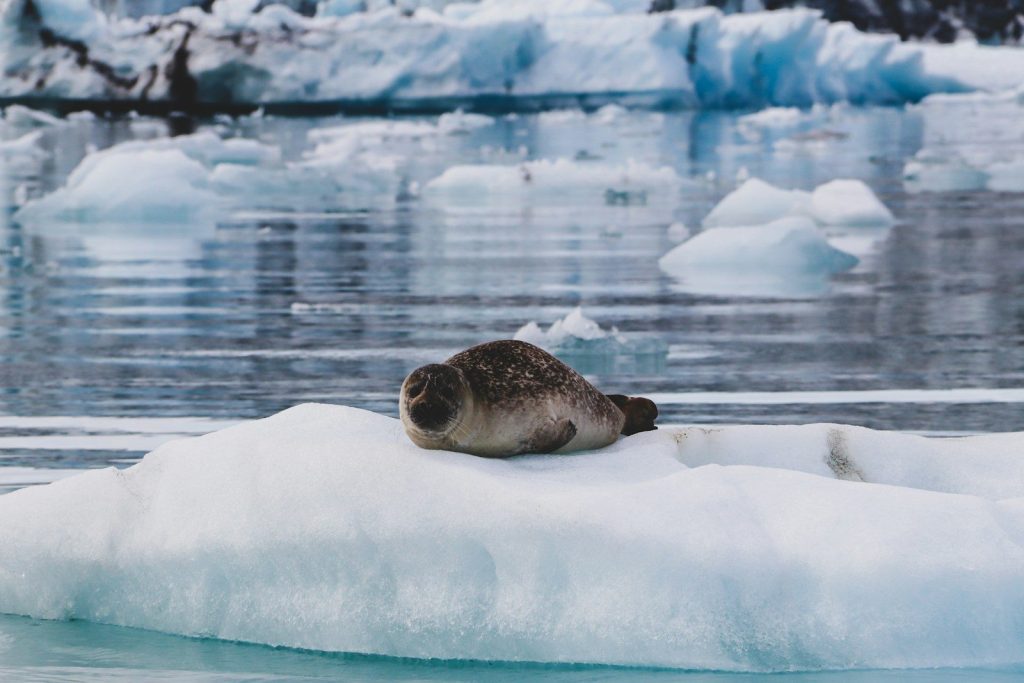
The incident led Antarctic research organizations to carefully review safety procedures for people working in the water. Scientists updated risk assessments and increased awareness of leopard seal behavior.
Researchers now pay even closer attention to wildlife activity before entering Antarctic waters. Spotters, improved planning, and careful observation help reduce risks during fieldwork.
A lasting lesson for polar research

Brown was remembered as a skilled scientist and experienced diver who was dedicated to studying Antarctic marine ecosystems. Her work contributed to a better understanding of life in one of Earth’s most remote environments.
Her tragic death also improved knowledge about leopard seals and helped shape safer research practices. Today, scientists continue their work in Antarctica while recognizing the importance of respecting powerful wild animals in their natural habitat.
Featured Image: Photo by Steve Adams on Unsplash